Physical Address
304 North Cardinal St.
Dorchester Center, MA 02124
Physical Address
304 North Cardinal St.
Dorchester Center, MA 02124

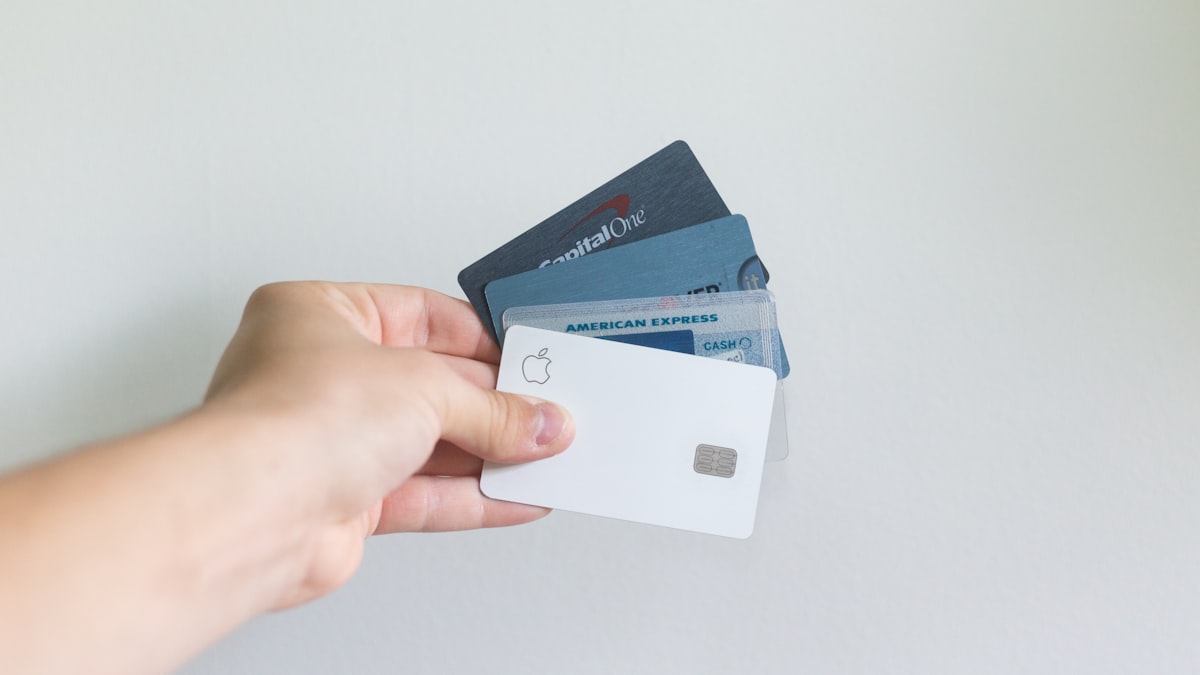
High-interest credit card debt can feel like a black hole. If you carry a balance at a 20%+ APR, most of your monthly payment goes toward interest rather than the principal. To break this cycle, smart debtors use **credit card balance transfers**.
A balance transfer allows you to move high-interest debt to a new card offering a 0% introductory APR for 12 to 21 months. This guide analyzes how to execute this strategy effectively.
To see how to manage credit card rewards once you are debt-free, see Strategic Credit Card Management. To structure your cash flows to pay off the transferred balance during the 0% APR window, follow The 50/30/20 Budgeting Rule. Learn about consumer debt relief resources at CFPB.
Balance transfers are a great tool for paying down debt, but they do not solve bad spending habits. Use the 0% APR window to pay off the principal and build an emergency fund to avoid debt in the future.