Physical Address
304 North Cardinal St.
Dorchester Center, MA 02124
Physical Address
304 North Cardinal St.
Dorchester Center, MA 02124

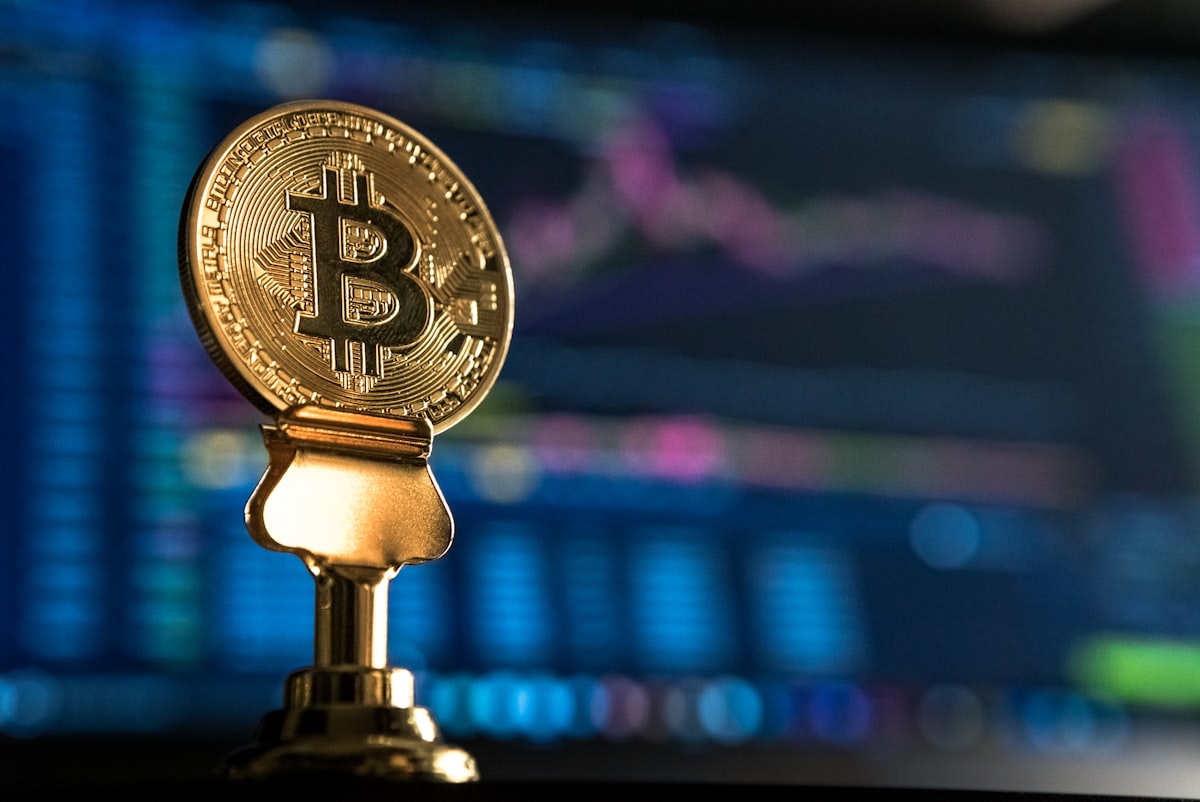
Cryptocurrency has transitioned from an experimental cypherpunk project into a multi-trillion-dollar global asset class. For data-driven investors, ignoring digital assets is no longer a viable strategy. However, navigating this market requires looking past the speculative hype and analyzing the underlying technology, supply mechanics, and network effects.
In this guide, we will break down the fundamentals of the two largest cryptocurrencies, Bitcoin and Ethereum, analyze their roles in a modern portfolio, and explore how to evaluate them using fundamental, on-chain metrics.
While often grouped together under the “crypto” umbrella, Bitcoin and Ethereum serve completely different economic purposes:
Unlike traditional equities, cryptocurrencies do not have quarterly earnings reports or P/E ratios. Instead, analysts use “on-chain” data—real-time ledger information—to assess network health. Key metrics include:
Because cryptocurrencies are highly volatile, they should be treated as high-risk, high-reward allocations. Historically, adding a small allocation (e.g., 1% to 5%) to a traditional stock-and-bond portfolio has significantly increased the portfolio’s Sharpe ratio (risk-adjusted return), due to crypto’s low correlation with traditional asset classes.
The table below outlines a comparison between traditional stores of value and digital assets:
| Asset | Scarcity | Portability | Security | Primary Risk |
|---|---|---|---|---|
| Fiat Currency | None (Central banks can print infinitely) | High (Digital bank transfers) | Medium (Subject to bank failures/inflation) | Purchasing power inflation loss |
| Gold | High (Physical limits) | Low (Heavy and difficult to transport) | High (Physical vault storage) | Storage and transaction costs |
| Bitcoin | Absolute (Fixed supply of 21 million) | Excellent (Can be sent globally in minutes) | Excellent (Secured by cryptographic proof) | High price volatility, regulatory shifts |
To see how to manage digital assets alongside other inflation hedges like precious metals and energy, read our article on The Art of Commodity Investing. For a complete guide on how to integrate volatile assets into a long-term plan, see our guide on Building a Resilient Long-Term Portfolio.
Cryptocurrency investing requires a strict risk management framework. While the potential gains are substantial, the technology is still evolving, and regulatory landscapes are shifting. By focusing on active usage metrics and treating crypto as a minor, speculative slice of a diversified portfolio, investors can participate in this technological shift without exposing themselves to catastrophic losses. For an introductory overview of blockchain mechanics, visit Investopedia.