Physical Address
304 North Cardinal St.
Dorchester Center, MA 02124
Physical Address
304 North Cardinal St.
Dorchester Center, MA 02124
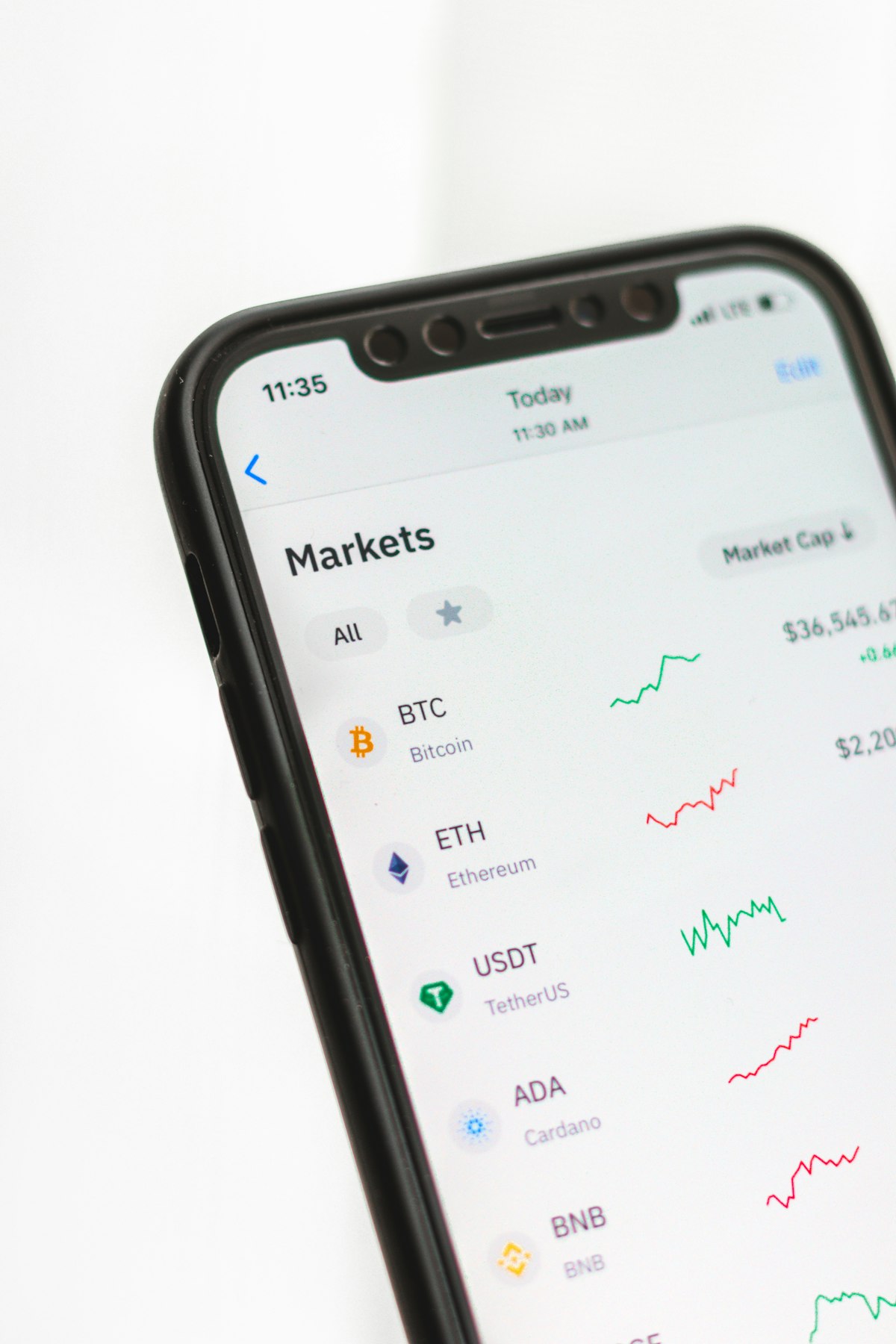
In traditional finance, banks pay nominal interest rates to depositors and lend that capital to borrowers at a premium. In decentralized finance (DeFi), smart contracts replace the middleman. This has enabled **Yield Farming**, a process where cryptocurrency holders lock their assets in liquidity pools to earn high returns.
While yield farming offers double-digit APYs, it carries substantial risks. In this guide, we will analyze the mechanics of yield farming and the risks you must manage.
Yield farmers act as “Liquidity Providers” (LPs). They deposit pairs of tokens into a decentralized exchange (DEX) liquidity pool (e.g., ETH/USDC). Traders use these pools to swap tokens, paying a transaction fee. These fees are distributed to LPs proportional to their share of the pool. To incentivize deposits, platforms also reward LPs with governance tokens (e.g., UNI, AAVE). To learn about core blockchain smart contracts, visit Ethereum.org.
To understand the basics of digital assets, read our Cryptocurrency Guide for Investors. To see how to manage speculative assets in a broader portfolio, see Building a Resilient Long-Term Portfolio.
DeFi yield farming can generate outstanding returns, but it is not passive income. It requires constant monitoring, risk assessment, and technical comfort. Limit yield farming to capital you can afford to lose.